

High levels of screen time raising serious concerns of sleep, physical health and mental wellbeing among school children in Dhaka.
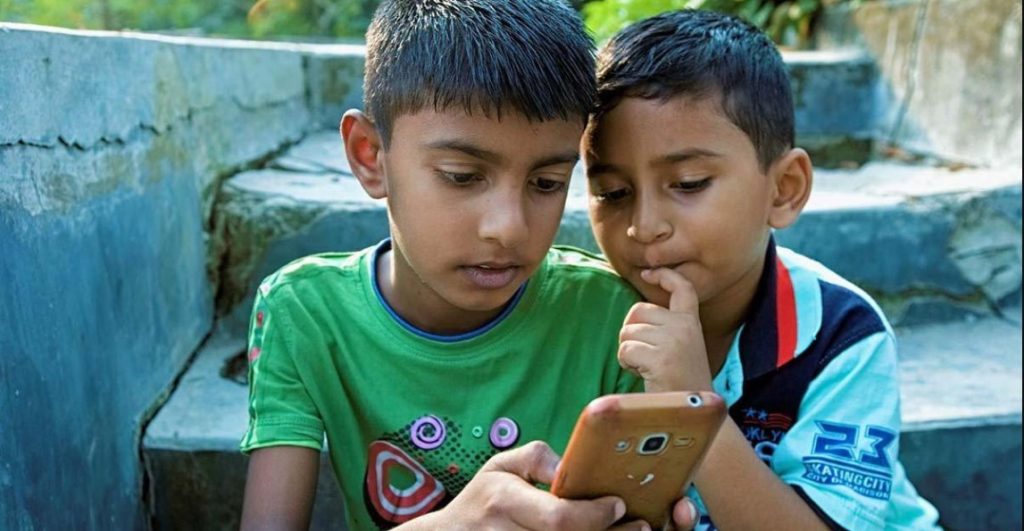
A recent study by icddb has revealed that, more than 80 percent of children—approximately 83 percent—spend over two hours daily on digital screens, exceeding internationally recommended limits for recreational screen time. On average, children were found to spend about 4.6 hours each day using smartphones, televisions, tablets, computers and gaming devices.

The research was conducted between 2022 and 2024 among 420 children aged 6 to 14 years from six schools in Dhaka, including both Bangla-medium and English-medium institutions. The findings were recently published in the journal JMIR Human Factors.
Researchers evaluated children’s screen habits alongside their sleep patterns, physical health, behaviour and mental wellbeing using face-to-face interviews, physical assessments and standardised tools.
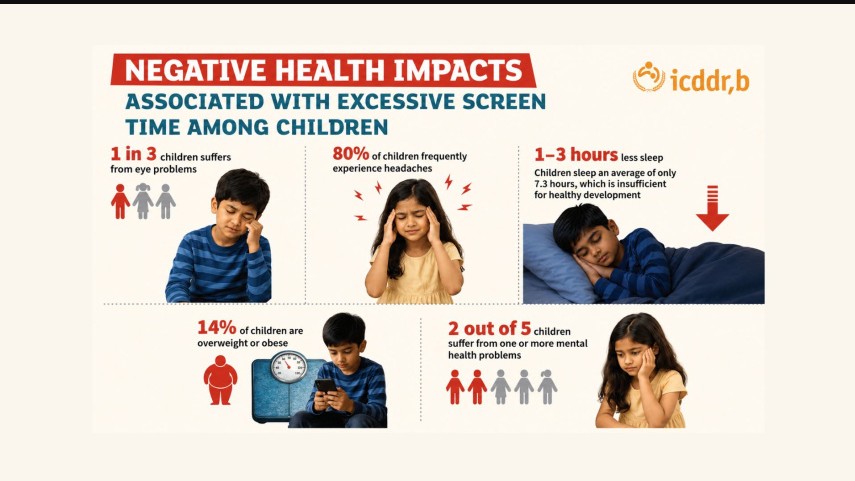
The results indicate significant health concerns. More than one-third of the children reported eye problems, while around 80 percent frequently experienced headaches. Children who used screens for more than two hours a day were also found to sleep less, averaging only 7.3 hours per night—well below the recommended 8 to 10 hours required for healthy growth and brain development.
The study further found that nearly 14 percent of the children were overweight or obese, suggesting a link between excessive screen exposures and reduced physical activity.

Mental health impacts were also notable. Around two in five children showed signs of issues such as anxiety, hyperactivity, emotional distress and behavioral difficulties.
Experts warn that prolonged sleep deprivation during childhood can negatively affect memory, concentration, learning ability, emotional regulation and overall development.
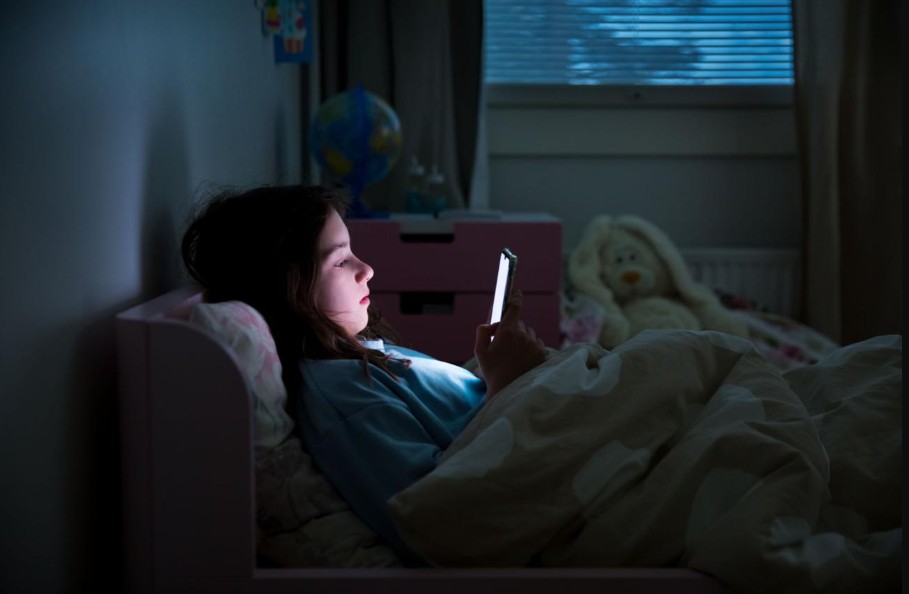
The researchers explained that excessive screen time can affect children through multiple pathways. Late-night use of digital devices may disrupt natural sleep cycles by overstimulating the brain, while extended sedentary behavior reduces opportunities for physical activity and outdoor play. Additionally, prolonged screen exposure can lead to eye strain, headaches and reduced attention span, while limiting social interaction and emotional development.
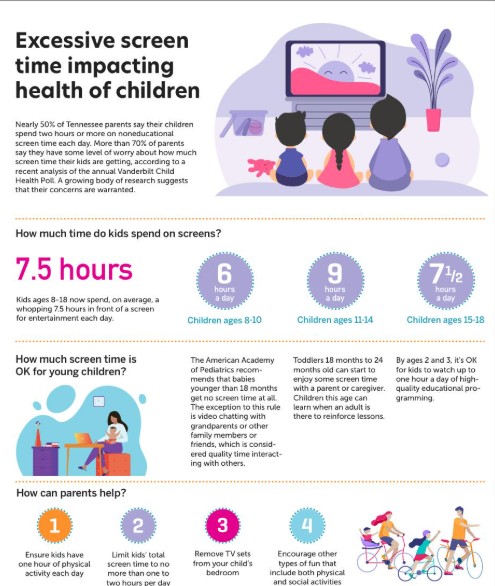
The study’s findings align with global research linking high screen use among children to sleep disturbances, obesity, anxiety, decreased physical activity and poorer academic performance.
Shahria Hafiz Kakon, assistant scientist at icddr,b and lead author of the study, urged parents to be attentive to warning signs such as late sleeping, frequent headaches, eye discomfort, irritability, withdrawal from activities and difficulty concentrating.
“These may indicate that screen exposure is beginning to affect children’s physical and mental health,” he said.
Researchers also recommended the “20-20-20” rule to reduce eye strain—encouraging children to look at something 20 feet away for at least 20 seconds after every 20 minutes of screen use.
Tahmeed Ahmed, executive director of icddr,b, noted that while digital devices are an integral part of modern life and education, maintaining healthy boundaries is essential. He referred to guidelines from the World Health Organization, which recommend limiting recreational screen time for school-aged children to around two hours per day.
He also emphasized the importance of encouraging outdoor activities, adequate sleep, physical exercise and device-free family time, along with participation in extracurricular activities such as debates, reading and gardening.
The researchers stressed that the solution is not to eliminate technology altogether, but to promote balanced and responsible use. They called for greater awareness and the development of guidelines for students, teachers and parents to ensure healthier digital habits both at home and in schools.